
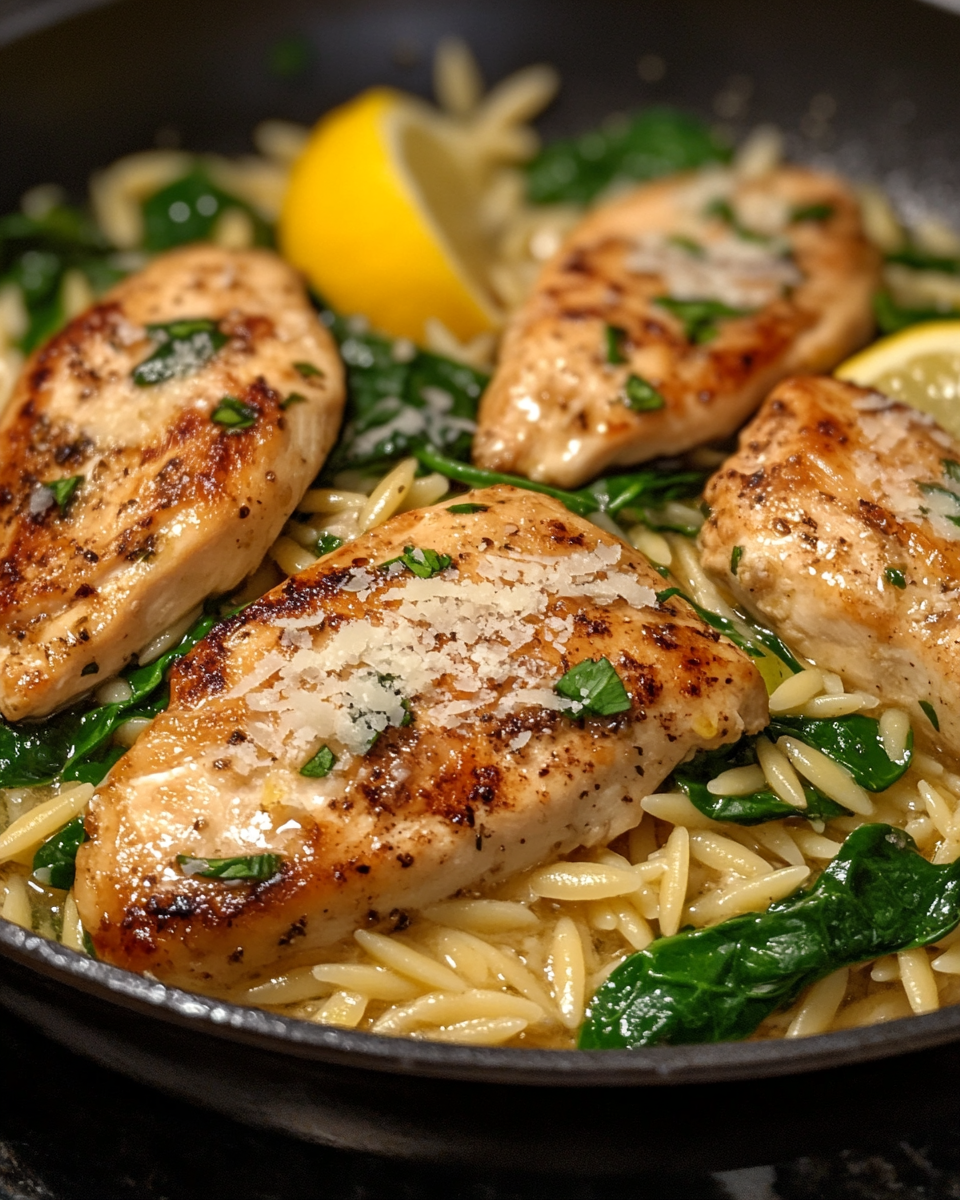
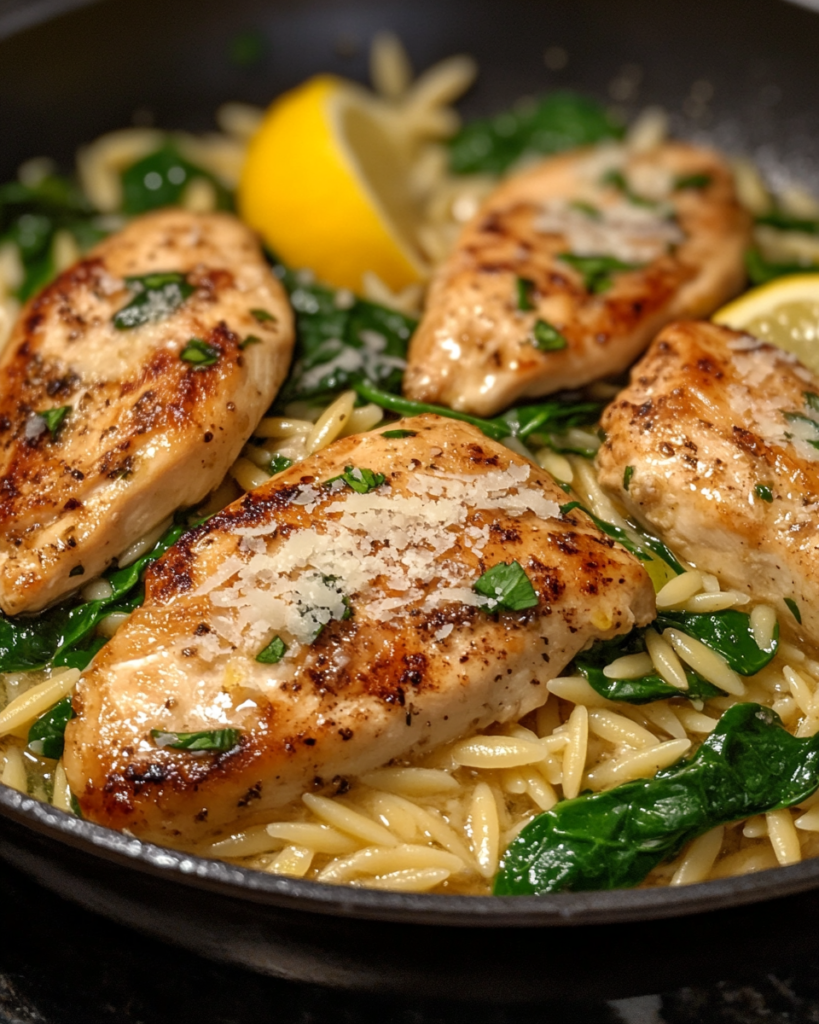
omfort, convenience, and rich flavor together in a single pan. These hearty dishes save time during busy evenings while still delivering satisfying texture and balanced ingredients. From tender proteins to seasoned vegetables and filling grains, everything cooks together for deep savory flavor with minimal cleanup afterward.
A warm one pot dinner often becomes a household favorite because the ingredients blend naturally during cooking. Rice absorbs broth, vegetables soften gently, and proteins stay juicy while simmering in the same pan. The result feels hearty without requiring complicated preparation or several dishes spread across the kitchen.
This particular one pot meal combines chicken, rice, vegetables, herbs, and creamy broth for a cozy dinner that fits family meals, chilly evenings, or casual gatherings. The texture stays rich and comforting while still feeling balanced enough for regular weeknight cooking.
Ingredients Overview
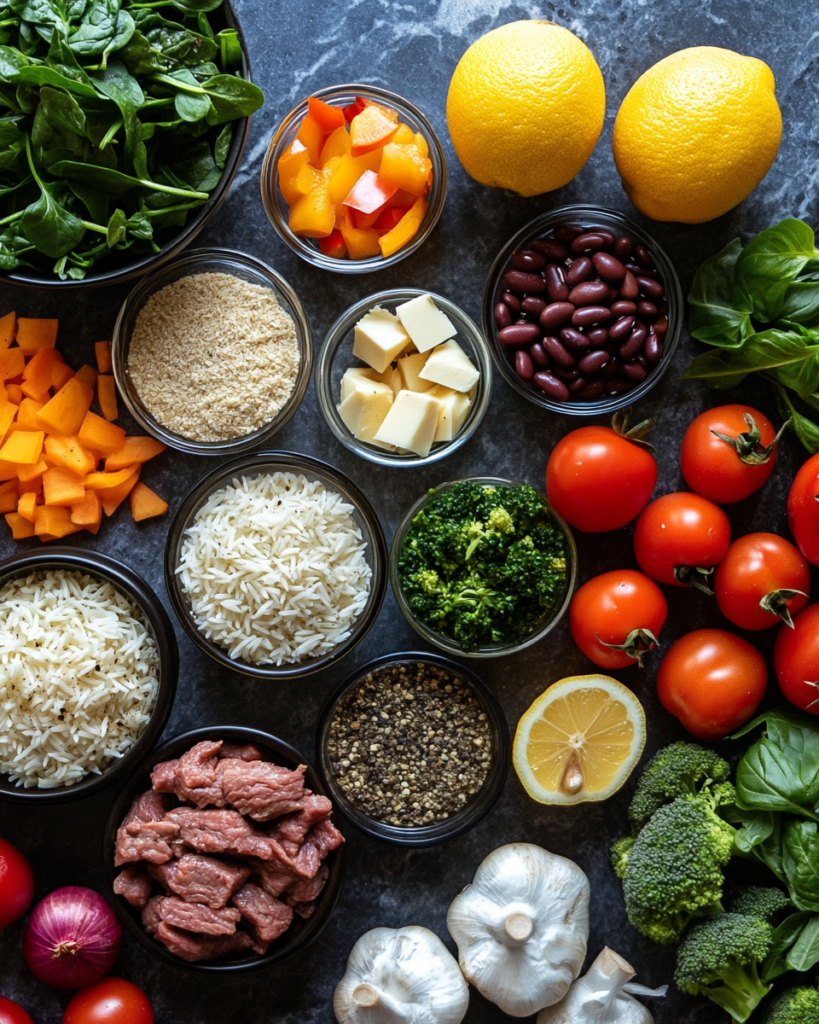
Boneless chicken thighs work especially well in one pot meals because they stay tender during simmering. Chicken breast can also work, though thighs provide richer flavor and softer texture after cooking. Browning the chicken first creates flavorful bits in the pot that blend into the broth later.
Long-grain white rice absorbs the seasoned liquid while remaining fluffy instead of sticky. The rice cooks directly in the broth, allowing every grain to absorb savory flavor from the chicken, vegetables, and herbs. Brown rice can also work, though it requires longer cooking time and additional liquid.
Onion, garlic, carrots, and celery create the flavorful base of the dish. These vegetables soften during cooking and bring gentle sweetness that balances the savory broth. Frozen peas added near the end provide freshness and color without becoming overly soft.
Chicken broth forms the cooking liquid and helps carry seasoning throughout the pot. A splash of cream adds richness while Parmesan cheese brings a savory finish that melts smoothly into the rice.
Italian seasoning, paprika, black pepper, and parsley season the meal without overpowering the chicken and vegetables. Butter and olive oil help build flavor during the early cooking stages while also helping the vegetables soften evenly.
Since everything cooks together, ingredient quality matters. Fresh vegetables, flavorful broth, and properly seasoned chicken all contribute to a richer final dish with comforting texture and balanced flavor throughout the pot.
Ingredients
1 1/2 pounds boneless skinless chicken thighs
1 tablespoon olive oil
1 tablespoon butter
1 small onion, diced
3 cloves garlic, minced
2 carrots, sliced
2 celery stalks, chopped
1 teaspoon paprika
1 teaspoon Italian seasoning
1/2 teaspoon salt
1/2 teaspoon black pepper
1 1/2 cups long-grain white rice
3 cups chicken broth
1/2 cup heavy cream
1 cup frozen peas
1/2 cup grated Parmesan cheese
2 tablespoons chopped parsley
Step-by-Step Instructions
Pat the chicken thighs dry with paper towels. Season both sides with salt, black pepper, and paprika. Dry chicken browns more evenly and creates richer flavor in the pot.
Heat olive oil and butter in a large deep skillet or Dutch oven over medium-high heat. Once the butter melts and begins to foam slightly, add the chicken thighs in a single layer.
Cook the chicken for about 4 to 5 minutes per side until golden brown. The chicken does not need to cook fully at this stage since it finishes later with the rice. Remove the chicken and place it on a plate nearby.
Reduce the heat slightly and add the onion, carrots, and celery to the same pot. Stir occasionally for about 5 minutes until the vegetables soften and the onion turns translucent. Add the garlic and Italian seasoning, stirring for another 30 seconds until fragrant.
Pour the uncooked rice into the pot and stir carefully. Coating the rice briefly in the butter and seasonings helps improve flavor and texture during simmering.
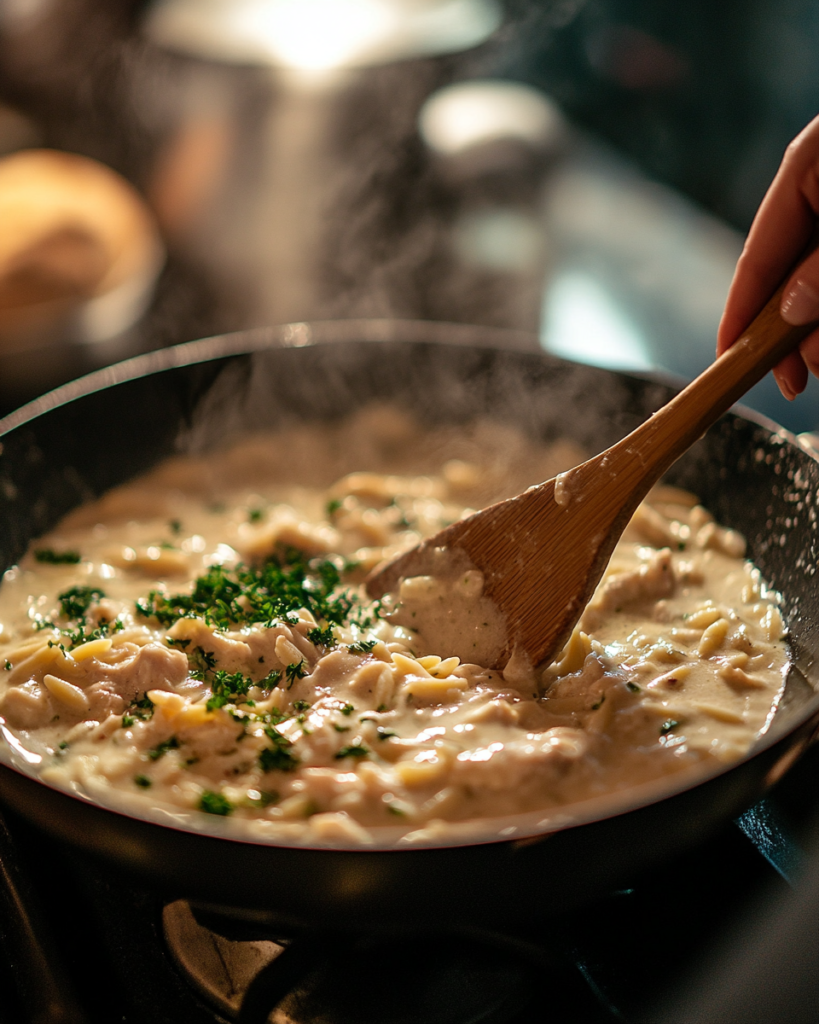
Slowly pour in the chicken broth while scraping the bottom of the pot with a wooden spoon. The browned bits left behind from the chicken blend into the broth and deepen the overall flavor.
Return the chicken thighs to the pot, placing them gently on top of the rice mixture. Lower the heat to a gentle simmer and cover the pot tightly with a lid.
Cook for about 18 to 20 minutes without lifting the lid frequently. Too much steam escaping can affect the rice texture and lead to uneven cooking.
After the rice becomes tender and most of the liquid absorbs, stir in the frozen peas, heavy cream, and Parmesan cheese. Continue cooking uncovered for another 3 to 5 minutes until the peas warm through and the sauce thickens slightly.
Check the chicken for doneness before serving. The meat should feel tender and fully cooked through with no pink remaining in the center.
Sprinkle chopped parsley across the top shortly before serving. Allow the dish to rest for several minutes so the sauce settles and the rice finishes absorbing the remaining liquid.
Avoid overcooking the rice since prolonged heat can cause soft texture. If the liquid reduces too quickly before the rice becomes tender, add a small splash of warm broth and continue simmering gently.
Tips, Variations & Substitutions
One pot meals adapt easily depending on available ingredients and flavor preferences. Boneless pork chops, turkey, or sliced sausage can replace the chicken while still pairing nicely with the rice and vegetables.
For deeper savory flavor, sauté sliced mushrooms with the onions and carrots. Spinach also blends nicely into the dish when stirred in near the end of cooking.
Brown rice can replace white rice, though the cooking time increases significantly. Additional broth may also be necessary since brown rice absorbs liquid gradually.
A lighter version can use half-and-half instead of heavy cream. Parmesan cheese may be replaced with Romano cheese for slightly sharper flavor.
Fresh herbs such as thyme, rosemary, or basil provide additional aroma and pair naturally with chicken and vegetables. A small pinch of crushed red pepper adds gentle warmth without overpowering the creamy broth.
Storage remains simple since everything stays together in one container. Refrigerate leftovers for up to four days. Reheat gently with a splash of broth or milk to restore the creamy consistency.
For meal preparation, chop vegetables earlier in the day so dinner comes together quickly during the evening. Since everything cooks in one pot, cleanup stays manageable even after large family meals.
Serving Ideas & Occasions
One pot meals fit comfortably into weeknight dinners, relaxed weekend suppers, and casual family gatherings. Since the dish already contains protein, rice, and vegetables, it often works well without several additional side dishes.
A crisp green salad pairs nicely beside the creamy rice and savory chicken. Roasted asparagus, steamed broccoli, or warm green beans also complement the hearty texture of the meal.
Warm bread or garlic toast can help soak up the creamy broth remaining at the bottom of the bowl. Lighter drinks such as sparkling water with lemon or unsweetened iced tea balance the richness pleasantly.
This meal feels especially comforting during colder months when warm skillet dinners become appealing after long days. The single-pot cooking style also suits busy evenings since preparation and cleanup stay simple.
For casual gatherings, serve directly from the Dutch oven at the center of the table with fresh parsley scattered across the surface shortly before serving.
Nutritional & Health Notes
One pot meals often provide balanced nutrition because proteins, vegetables, and grains cook together in a single dish. Chicken contributes protein while rice supplies satisfying carbohydrates for steady energy.
Carrots, celery, peas, onions, and garlic bring fiber, texture, and natural flavor. Including several vegetables in the pot helps create a filling dinner without requiring complicated preparation.
Using chicken broth instead of heavier sauces keeps the dish rich without becoming overly dense. The cream and Parmesan add richness while still allowing the vegetables and herbs to remain noticeable.
Chicken thighs contain slightly higher fat content than chicken breast, though they also remain tender during simmering and provide fuller flavor. Leaner cuts may be substituted depending on personal preference.
Moderate portions pair nicely with fresh vegetables or salad for a balanced dinner plate. Since the rice absorbs much of the cooking liquid, the dish feels hearty and satisfying even with relatively simple ingredients.
FAQs
Can I use chicken breast instead of chicken thighs?
Yes, chicken breast works well in one pot meals, though the texture differs slightly from chicken thighs. Chicken breast cooks faster and contains less fat, which can sometimes lead to drier texture if overcooked. To help maintain tenderness, avoid simmering the chicken breast too long once added back into the pot. Cutting larger pieces into even portions also promotes more consistent cooking. Many people still prefer thighs because they stay juicy during longer simmering, but both options create flavorful results when cooked carefully.
Can I prepare this meal ahead of time?
This dish stores nicely and reheats well for future meals. Prepare the entire recipe, allow it to cool slightly, then transfer leftovers into airtight containers. Refrigerate for up to four days. During reheating, add a splash of broth, cream, or milk since rice naturally absorbs liquid during storage. Warm the meal gently over medium-low heat or in the microwave in short intervals. Fresh parsley added afterward helps refresh the flavor and appearance before serving again.
Which rice works best in one pot meals?
Long-grain white rice remains one of the strongest choices because it cooks evenly while absorbing broth nicely. Jasmine rice also creates pleasant texture and subtle aroma. Brown rice works too, though it requires additional cooking time and extra liquid. Short-grain rice tends to become softer and slightly stickier, which changes the texture of the finished dish. Regardless of the variety used, keeping the pot covered during simmering helps the rice cook evenly and absorb flavor properly.
Can frozen vegetables be added directly to the pot?
Yes, frozen vegetables work very well in one pot meals. Peas, corn, green beans, and mixed vegetables can all be stirred into the pot near the end of cooking. Adding them later helps maintain color and texture instead of allowing them to become overly soft. Frozen vegetables also save preparation time and blend naturally into the broth and rice. Since they release slight moisture during cooking, they often help maintain the creamy consistency of the dish.
How do I prevent mushy rice?
Mushy rice usually results from excess liquid, overly high heat, or stirring too frequently during cooking. Measuring the broth carefully helps maintain balanced texture. Once the pot begins simmering, keep the lid closed as much as possible so steam remains trapped inside. Stirring constantly can break apart the rice grains and create softer texture. After cooking, allowing the dish to rest for several minutes also helps the rice settle and absorb remaining moisture evenly.
Can this recipe be cooked in a Dutch oven?
A Dutch oven works especially well for one pot meals because the heavy pot distributes heat evenly and holds moisture effectively during simmering. The sturdy base also helps prevent scorching on the bottom while the rice cooks. Browning the chicken directly in the Dutch oven creates flavorful bits that blend into the broth later. Since the pot moves easily from stovetop to table, serving also becomes convenient for family-style meals.
What proteins pair nicely with this cooking style?
Several proteins work nicely in one pot meals beyond chicken. Turkey sausage, shrimp, diced pork, ground turkey, and sliced smoked sausage all pair naturally with rice and vegetables. Cooking times may vary depending on the protein selected. Shrimp cooks quickly and should be added near the end, while pork or sausage may require longer browning early in the process. The flexible structure of one pot cooking allows many ingredient combinations while still keeping preparation manageable.