
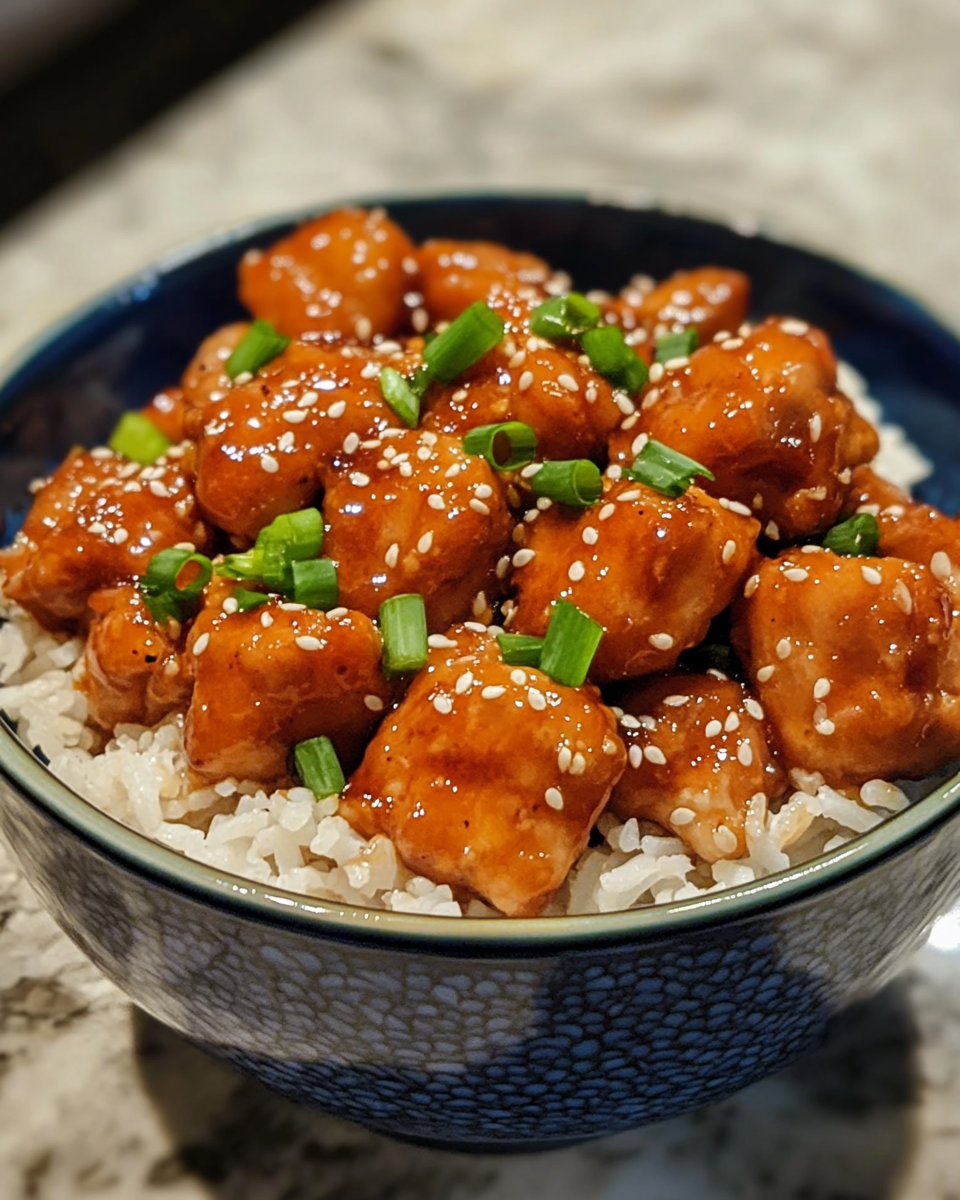
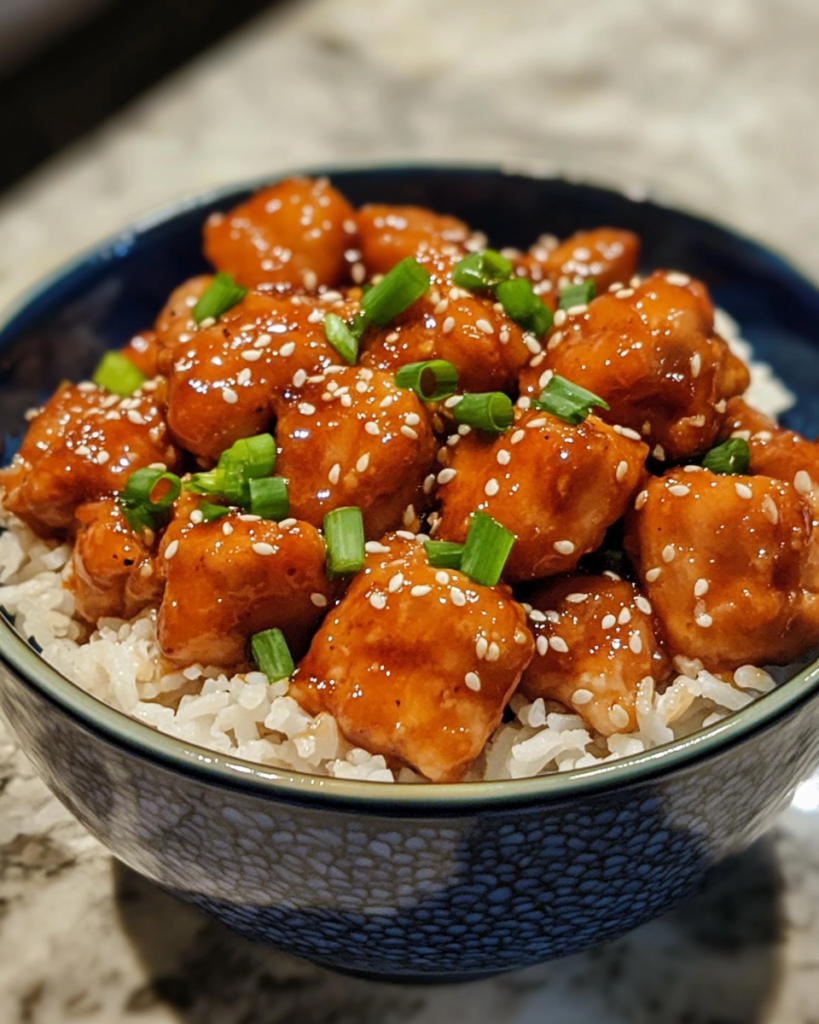
Honey Garlic Chicken And Rice is a hearty meal filled with tender chicken, rich garlic flavor, sweet honey glaze, and fluffy rice that soaks up every bit of the savory sauce. This dish comes together with pantry staples and creates a deeply satisfying dinner that fits busy weekdays as well as relaxed family meals.
The sauce carries a balanced blend of sweetness and savory depth without becoming too heavy. Fresh garlic gives the chicken a rich aroma while soy sauce adds bold flavor that pairs beautifully with warm rice. The chicken becomes glossy and caramelized as the sauce thickens in the skillet, creating a comforting meal that feels filling and homemade.
Honey Garlic Chicken And Rice also works nicely for meal preparation because the flavors continue developing after resting in the refrigerator. It reheats beautifully and keeps its texture well, making it practical for lunches and quick suppers throughout the week.
The simple ingredient list keeps preparation stress low while still delivering rich flavor. With only a few steps, this dish creates a warm meal that feels comforting and satisfying from the first bite to the last.
Ingredients Overview
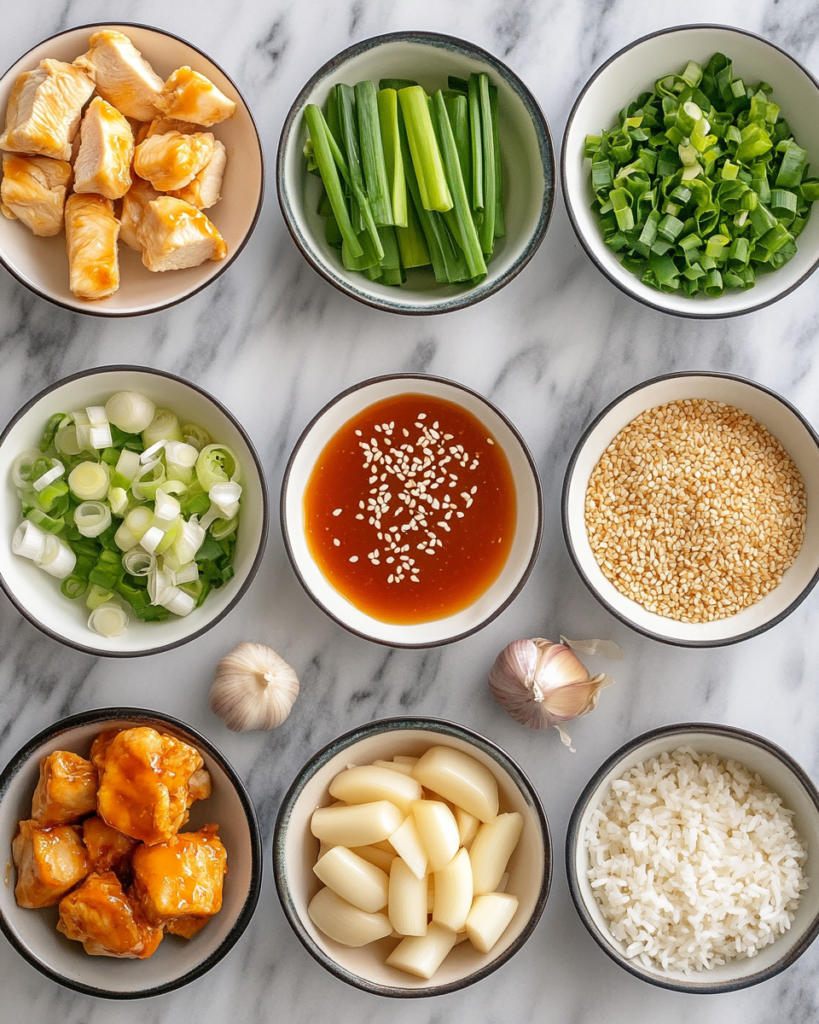
Chicken serves as the center of Honey Garlic Chicken And Rice. Boneless chicken thighs remain especially juicy and flavorful because they contain slightly more fat than chicken breasts. Chicken breasts still work beautifully for a leaner version and absorb the sauce nicely during cooking.
Honey creates the signature sweet glaze that coats the chicken. Its natural sweetness balances the salty soy sauce and sharp garlic flavor while helping the sauce caramelize gently in the skillet. Mild honey varieties work best because they blend smoothly into the sauce without overpowering the dish.
Garlic gives the recipe its rich savory depth. Fresh garlic cloves bring stronger flavor than garlic powder and create a fragrant base that fills the kitchen during cooking. Cooking garlic briefly before adding liquid prevents bitterness and keeps the flavor mellow.
Soy sauce contributes savory richness and balances the sweetness from the honey. Low-sodium soy sauce works well because it allows better control over the saltiness of the finished dish.
Rice absorbs the flavorful sauce and turns the meal into a filling dinner. Long-grain white rice stays fluffy and light, while jasmine rice contributes a delicate fragrance. Brown rice can also work for a heartier texture and additional fiber.
Chicken broth adds extra flavor to the sauce and keeps the chicken moist during cooking. Cornstarch thickens the sauce slightly, helping it cling beautifully to the chicken and rice.
Green onions and sesame seeds provide a fresh finishing touch and mild crunch that contrast nicely with the sticky glaze.
Ingredients
1 1/2 pounds boneless chicken thighs
1 tablespoon olive oil
1 teaspoon salt
1/2 teaspoon black pepper
4 cloves garlic, minced
1/3 cup honey
1/4 cup low-sodium soy sauce
1/2 cup chicken broth
1 tablespoon rice vinegar
1 tablespoon cornstarch
2 tablespoons water
3 cups cooked jasmine rice
2 green onions, sliced
1 teaspoon sesame seeds
Step-by-Step Instructions
Begin by patting the chicken thighs dry with paper towels. Removing extra moisture helps the chicken brown properly instead of steaming in the skillet. Season both sides with salt and black pepper.
Warm olive oil in a large skillet over medium-high heat. Once the oil becomes hot, place the chicken thighs into the skillet in a single layer. Cook for about 5 to 6 minutes on each side until the surface develops a rich golden color and the chicken cooks through completely.
Avoid moving the chicken too frequently during cooking. Leaving the pieces untouched for several minutes allows proper browning and creates richer flavor throughout the dish.
Transfer the cooked chicken onto a plate briefly while preparing the sauce. Lower the heat slightly to prevent the garlic from burning. Add the minced garlic to the skillet and cook for about 30 seconds until fragrant. Stir constantly because garlic cooks quickly and can become bitter if overcooked.
In a small bowl, whisk together honey, soy sauce, chicken broth, and rice vinegar. Pour the mixture into the skillet and stir gently, scraping up any browned bits from the bottom. Those browned pieces contribute rich flavor to the sauce.
In another small bowl, combine cornstarch and water until smooth. Stir the mixture into the skillet and cook for several minutes until the sauce thickens slightly and develops a glossy appearance.
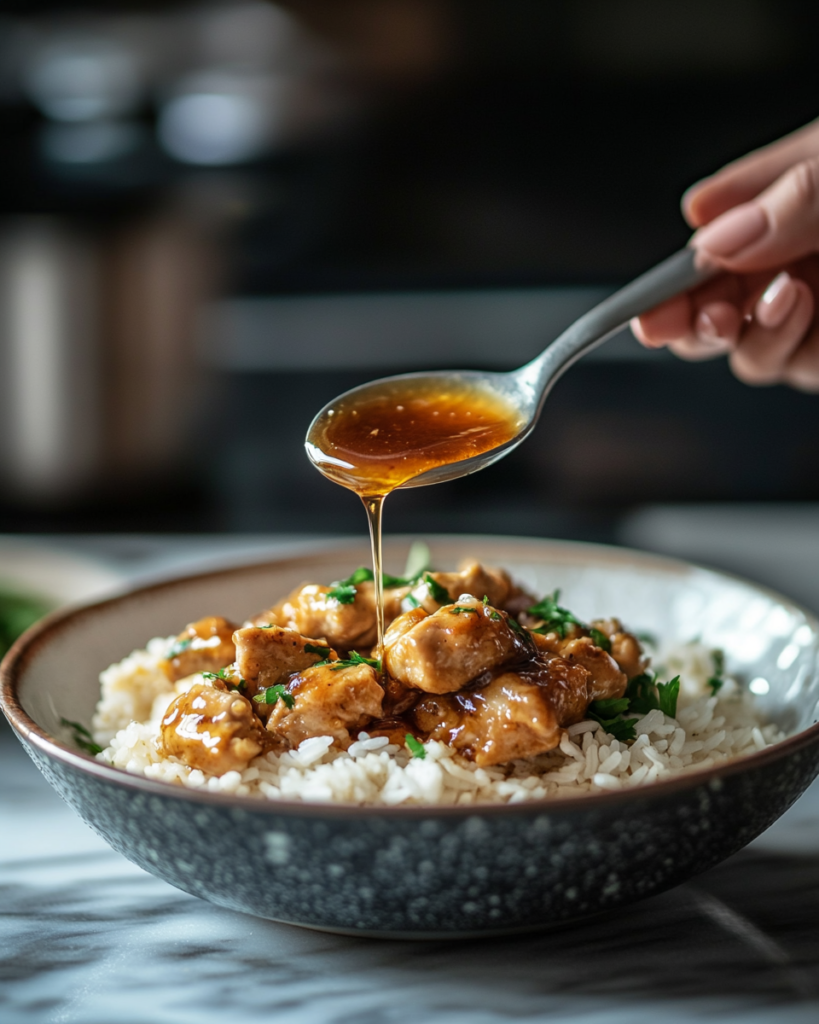
Return the chicken to the skillet and spoon the sauce over the top. Let the chicken simmer gently for several minutes so the glaze coats every piece evenly. The sauce should cling lightly to the chicken without becoming overly thick.
Cook the rice while the chicken finishes simmering. Fluff the cooked rice with a fork to keep the grains light and separate.
Serve the honey garlic chicken over warm rice and spoon extra sauce across the top. Scatter sliced green onions and sesame seeds over the finished dish for freshness and mild crunch.
For stronger caramelized flavor, allow the sauce to simmer an extra minute before serving. Watch carefully during this stage because honey can darken quickly if the heat becomes too strong.
Tips, Variations & Substitutions
Chicken breasts can replace chicken thighs for a leaner version of the dish. Cutting the chicken into bite-sized pieces also shortens cooking time and allows the sauce to coat the meat more evenly.
Brown rice creates a heartier texture and contributes additional fiber. Cauliflower rice works nicely for a lower-carbohydrate variation while still pairing well with the sweet garlic sauce.
Fresh ginger adds gentle warmth and deeper flavor. A small amount stirred into the sauce creates extra richness without overpowering the honey and garlic balance.
Vegetables such as broccoli, snap peas, carrots, or bell peppers blend nicely into the skillet during the final few minutes of cooking. These additions bring freshness and color while turning the dish into a complete one-pan meal.
For slightly thicker sauce, allow the glaze to simmer longer before returning the chicken to the skillet. If the sauce thickens too much, stir in a splash of chicken broth to loosen the consistency.
Meal preparation works especially well with this recipe. Store rice and chicken separately in airtight containers for fresher texture during reheating.
A cast-iron skillet creates rich browning on the chicken and helps the sauce caramelize evenly. Keeping the heat moderate prevents the honey from scorching during cooking.
Serving Ideas & Occasions
Honey Garlic Chicken And Rice pairs beautifully with roasted broccoli, steamed green beans, sautéed bok choy, or crisp cucumber salad. Light vegetable sides balance the sweet and savory glaze while adding freshness to the meal.
Cold sparkling water with lime complements the rich garlic sauce nicely. Iced green tea also pairs smoothly with the sweet honey flavor and savory soy sauce.
This meal suits weeknight dinners because it cooks quickly while still feeling hearty and homemade. It also works nicely for relaxed family gatherings, casual weekend meals, or meal preparation during busy weeks.
Serving the chicken in shallow bowls with extra sauce spooned across the rice creates a warm presentation that feels comforting and inviting. Garnishing with sliced green onions right before serving adds freshness and color that brighten the finished dish.
Nutritional & Health Notes
Honey Garlic Chicken And Rice provides protein from chicken along with carbohydrates from rice that help create a filling and balanced meal. Chicken thighs contribute rich flavor and tenderness, while chicken breasts offer a leaner alternative with slightly less fat.
Using low-sodium soy sauce helps control salt levels without reducing flavor. Fresh garlic contributes bold savory depth while allowing the sauce to remain simple and balanced.
Rice provides steady energy and pairs naturally with the sweet garlic glaze. Brown rice contributes additional fiber and a heartier texture for those wanting a more filling option.
Adding vegetables such as broccoli, carrots, or snap peas increases fiber, vitamins, and texture throughout the meal. These additions also help balance the sweetness of the honey sauce.
Portion size remains flexible depending on appetite. A moderate serving with vegetables creates a satisfying dinner that feels hearty without becoming overly heavy.
FAQs
Can Honey Garlic Chicken And Rice rest in the refrigerator overnight?
Honey Garlic Chicken And Rice keeps very well in the refrigerator and often tastes even richer the following day because the flavors continue blending together. Store the chicken and rice in separate airtight containers whenever possible for stronger texture during reheating. The sauce thickens slightly after chilling, though a small splash of chicken broth or water during reheating helps loosen it again. Warm the chicken gently over medium heat or in short microwave intervals to prevent the glaze from becoming overly sticky. This recipe works especially well for meal preparation because the chicken stays tender and flavorful for several days.
Which rice works nicely with honey garlic chicken?
Jasmine rice remains one of the most popular choices because its light floral aroma pairs beautifully with the sweet garlic sauce. Long-grain white rice also works very well since it stays fluffy and absorbs the glaze evenly. Brown rice creates a heartier texture with additional fiber and slightly nutty flavor. Sticky rice gives the dish a richer feel and holds the sauce nicely in each bite. Cauliflower rice can also work for a lighter variation while still carrying the savory sauce flavor throughout the meal. Freshly cooked rice generally gives the best texture and balance beside the glazed chicken.
Can chicken breasts replace chicken thighs?
Chicken breasts work beautifully in this recipe and create a leaner version of the dish. Because chicken breasts contain less fat than thighs, they cook slightly faster and can dry out if overcooked. Cooking them only until they reach a safe internal temperature helps keep the meat tender and juicy. Cutting chicken breasts into smaller pieces before cooking also helps the sauce coat the chicken evenly. Chicken thighs remain slightly richer and softer, though both cuts pair nicely with the sweet garlic glaze and warm rice.
How can the sauce become thicker?
Allowing the sauce to simmer for several additional minutes naturally thickens the glaze as moisture cooks away. Cornstarch mixed with cold water also helps create a glossy sauce that clings nicely to the chicken and rice. Stirring constantly while the sauce thickens prevents lumps from forming and keeps the texture smooth. If the sauce becomes too thick, adding a splash of chicken broth loosens it again quickly. Moderate heat works best because high heat can darken the honey too quickly and create bitterness in the finished dish.
Can vegetables cook directly in the skillet?
Vegetables cook very nicely alongside the chicken and sauce, turning the meal into a complete one-pan dinner. Broccoli, snap peas, carrots, zucchini, and bell peppers all pair especially well with the sweet garlic flavor. Firmer vegetables should enter the skillet first because they need slightly longer cooking time. Softer vegetables can enter during the final few minutes so they stay vibrant and slightly crisp. Cooking the vegetables directly in the sauce allows them to absorb the savory glaze while keeping preparation simple and practical.
Is this recipe suitable for meal preparation?
This recipe works extremely well for meal preparation because both the chicken and rice reheat beautifully. Dividing the chicken and rice into individual containers creates quick lunches and dinners throughout the week. Keeping extra sauce in a separate container helps maintain moisture during reheating. Fresh garnishes such as green onions or sesame seeds taste best when added immediately before serving. Since the glaze continues soaking into the chicken after resting, many people find the flavor even richer on the second day.
Can the dish become less sweet?
Reducing the honey slightly creates a milder sweetness while still keeping the glaze smooth and balanced. Additional soy sauce or a small splash of rice vinegar can also shift the flavor toward a more savory direction. Fresh ginger or chili flakes bring extra depth and help balance the sweetness naturally. Using darker soy sauce creates richer savory flavor that softens the honey profile as well. Small adjustments allow the sauce to fit different tastes while still keeping the comforting garlic glaze that makes the dish so satisfying.